

My four-decade career allowed me to look into the workings of leaders, teams and organizations. I had the privilege of watching individuals develop in skill and in wisdom, and grow their capacity to take on challenges creatively, inclusively and with resolve.
My clients were typically non-profits, lead and staffed by people with a sense of mission and the drive to make a difference in the world. The clients ranged from the legal department of a large healthcare system to a team of lawyers providing pro bono legal counsel for immigrant minors; from senior leaders of international agricultural institutes to a non-profit society of international educators; a small group of medical billing specialists to a small team of transplant surgeons.
I saw little of the suffering in the world first hand, though I traveled and worked with people dealing with some of the intractable issues of our modern world: providing support for refugees, working on ways to protect crops from disease in low-income countries, struggling to get resources to remote villages to help improve child and maternal health outcomes, working for equity in education, and others.
Perhaps the closest I got to the actual action was observing a city emergency room, where a hundred decisions were made triaging a constant flow of human need, from infants with the croup to gun shot victims. Many were desperate and had no other place to go. The skill, precision, clarity and calm of the ER personnel as they worked with each other and with patients and their families was amazing to behold. I watched with awe and humility. These are people who operate under constant pressure, with whatever comes through the door, and they bring all their talent and heart to the task of saving lives and managing the pain and suffering of others. How do they do it?
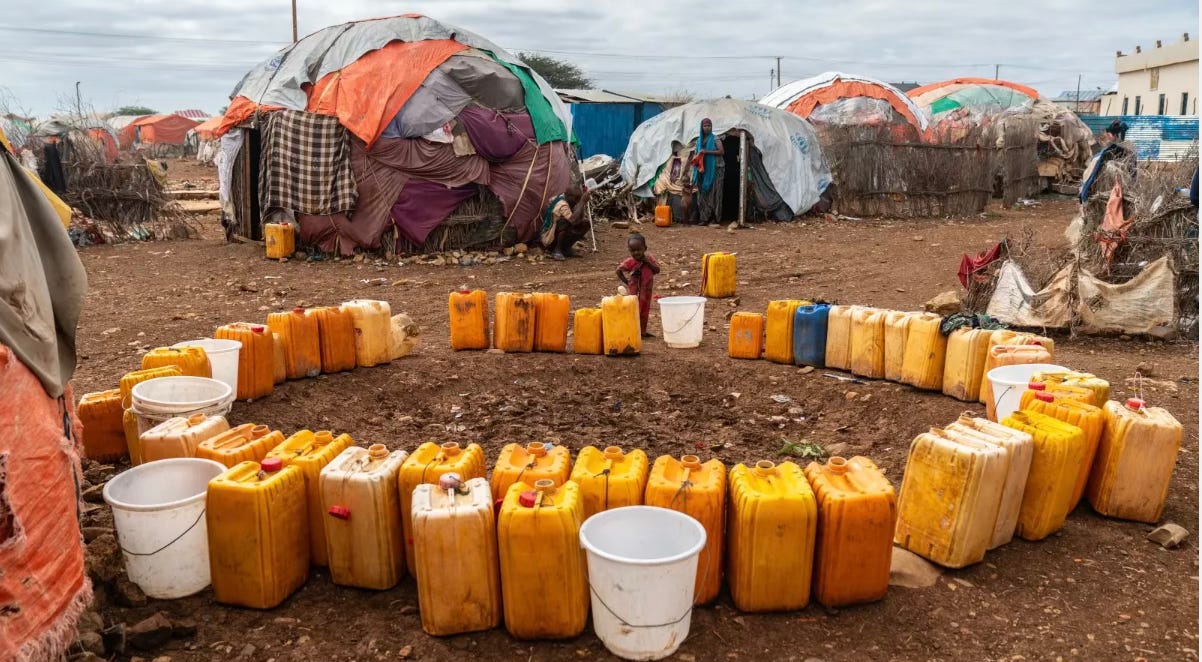
I wanted to share this to illustrate the real-life drama of human existence that takes place out of sight of many of us: in refugee camps, emergency rooms, rural health clinics, battle fields, prisons. And I want to make a distinction between this primary drama of the human struggle, and the kind of drama I have seen in the workplace and that I call “secondary drama.” An early term I used was “manufactured drama”-- but that didn’t give credit to the fact that secondary drama often occurs unwillingly and in response to real stressors.
What I find most perplexing are the unforced errors. Systemic over-promising and under-delivering. Malicious gossip intended to create divisions and mistrust. Blaming another person for a problem you created. Habitually taking action at the last possible moment, prompting an emergency response from others.

Alarming for its sheer audacity is the example of a division chief at non-governmental organization who made a firm promise to his staff to deliver X by a certain date. When the day and time arrived and he did not deliver on that promise, he suddenly went off-line and no one could find him.
This is the adult equivalent of a child closing his eyes and believing he can’t be seen.
I’m not sure what caused this behavior. It could be he hopes no one will notice. Maybe he is buying time to come up with a reason why “mistakes were made.”1
Attending a conference on human resource development I heard a speaker, Charlie Sheppard share a framework that has stuck with me. It depicted the difference between leadership and drama.
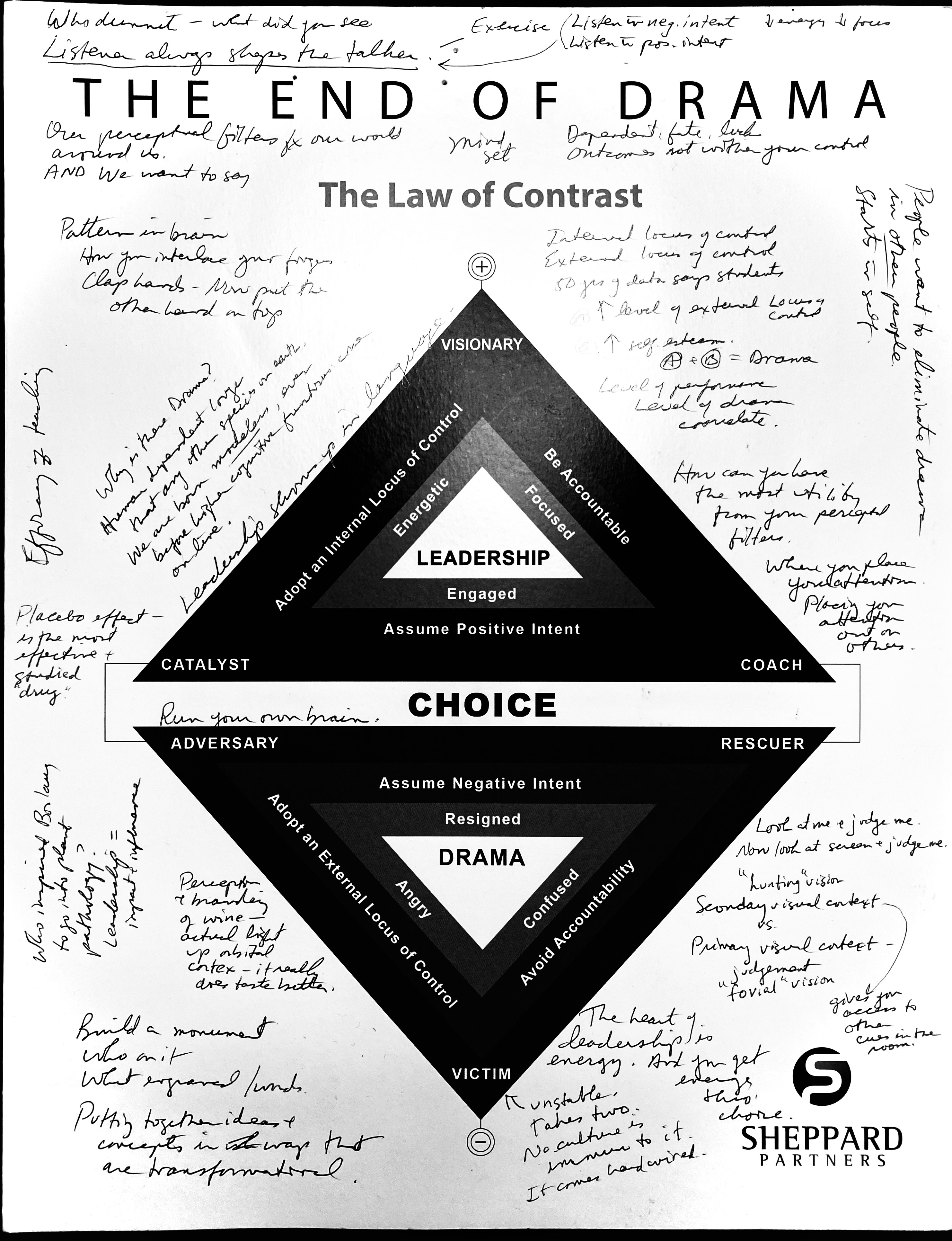
Sheppard posits that one chooses leadership or drama — makes decisions and takes action — moving toward responsibility and accountability and away from victimhood and fault-finding.
Drama is created when the leader:
Adopts an external locus of control - “I am a victim of circumstances.”
Avoids accountability - “If something goes wrong, the fault lies out there.”
Leadership is practiced when the leader:
Adopts an internal locus of control - “I have some say in how things go.”
Accepts accountability - “I have a role in creating the situation I find myself in.”
But is it really a choice?
Maybe it depends on who you ask.
Those who have practiced leadership in their lives and in their work might agree that there is some choice involved, an intention to keep drama at bay.
Those who live in a state of self-manifested chaos — and therefore can only replicate in the world the disorder inside themselves — have everything to gain from doubling down on their preferred way of viewing themselves: victims of circumstances outside their control and subject to injustice perpetrated on them by their perceived enemies.
Do you know anyone like this? Who faces each day angry, vengeful and aggrieved?2
How better for our own lives and the lives of our families, our communities, and our businesses if we feel — even mostly — engaged, focused and energetic.
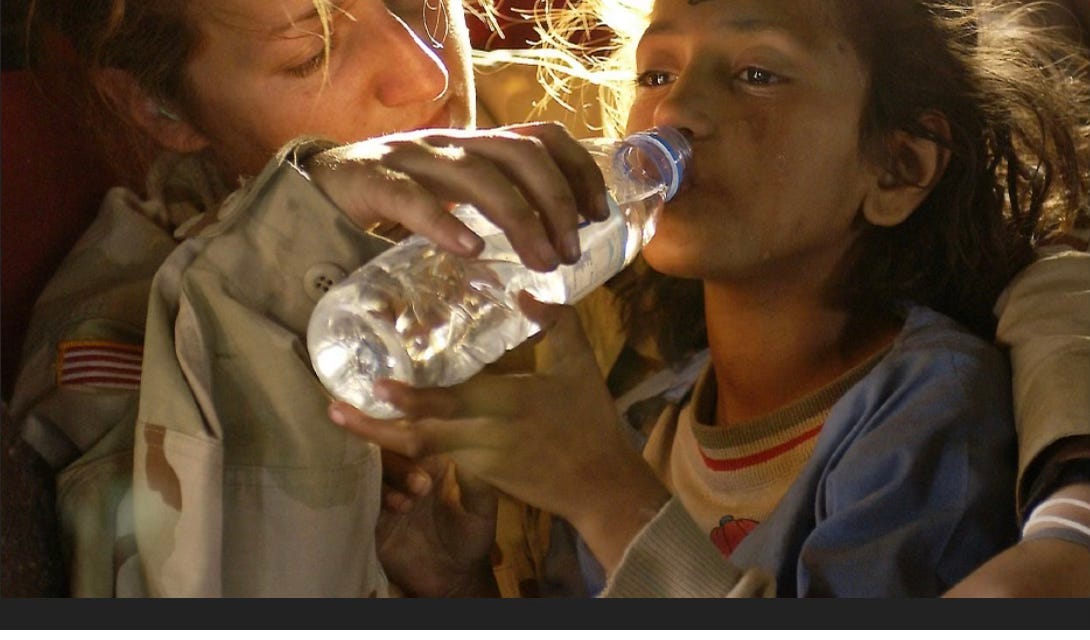
The world carries no shortage of real hardship. Part of our calling — as leaders and as members of our businesses, communities, and families — is to create spaces of steadiness: to buffer, to protect, and to ease burdens where we can, so that meaningful work can flourish.
In closing, here is a paraphrase from the 17th century theologian and poet François Fenelon, which speaks to living with a sense of agency:
I ought to consider the duty to which I am called, and apply myself to it with exactness and in peace. I must neglect nothing. I must be violent with nothing.
In essence I hear him say Work hard. Be kind. That sounds about right.
See NPR story Mistakes were made: the king of non-apologies
Try this: google “angry vengeful aggrieved” and tell me if he is not in the top 10 hits
Bravo, Stew. The pictures at the end of your essay made my eyes leak. That we (term used loosely) have at our disposal solutions to so much of what troubles the world yet CHOOSE to let it persist is the greatest tragedy of human existence.
I've worked, voluntarily and for pay, in situations where it was all drama and limited/no leadership. Soul sucking.
"So that meaningful work can flourish.." ❤️🩹